

,
Poor Road Conditions Causing I-95 Accidents
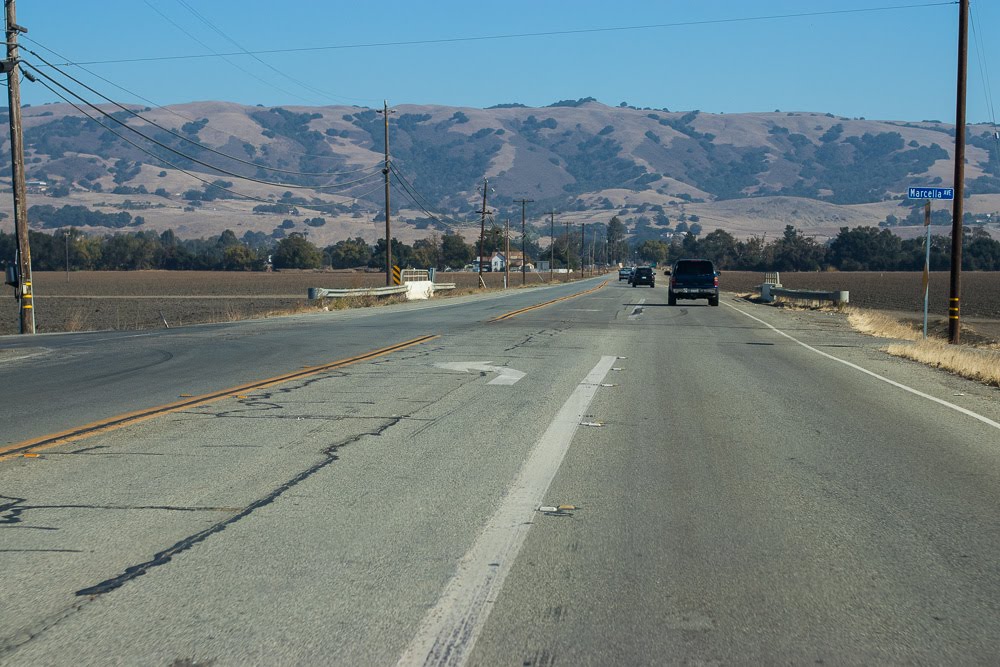

Running along the East Coast from Florida to Maine, Interstate 95 (I-95) carries a constant blend of commuters, trucks, tourists, and local traffic funneling on and off through dense urban interchanges. That kind of volume puts a beating on pavement.
Over time, tiny flaws turn into real hazards: potholes open up, lane lines fade, shoulders crumble, and drainage systems clog. Drivers might shrug off rough pavement as a nuisance, but on a highway moving at 65–75 mph, road defects can trigger serious crashes in a heartbeat.
This post breaks down how poor road conditions contribute to I-95 collisions, where these dangers show up most, and what you can do to protect yourself if a pothole crash or similar hazard catches you off guard.
Why I-95 is Especially Vulnerable to Pavement Hazards
Interstate 95 sees more stress than most interstates because it combines heavy freight movement with extreme regional weather. That constant weight compresses pavement, especially near ramps, bridges, and construction zones. At the same time, the East Coast deals with big temperature swings. Summer heat softens asphalt, winter freezes widen cracks, and repeated thaw cycles pry open potholes.
Certain types of surface failures and maintenance gaps spill directly into crash risk, especially for motorcycles, smaller vehicles, and drivers forced to make sudden maneuvers in dense traffic.
The problem is that damage forms fast. In high-volume segments outside cities, pavement defects can appear between maintenance cycles. A shallow depression that feels like a bump at low speed becomes a tire-snatching hazard at highway speed. In packed traffic, swerving to avoid it may be just as dangerous as hitting it. That’s how maintenance gaps become sudden crash triggers rather than slow inconveniences.
How Potholes and Surface Defects Directly Cause Crashes
A pothole isn’t one hazard — it’s a chain reaction waiting to happen. The first risk is impact: a tire hits a deep hole, loses pressure, or blows out instantly. At high speed, that can yank a vehicle out of its lane. The second risk is evasive movement. Many drivers react instinctively by jerking the wheel, which is especially risky when vehicles are running close together.
For motorcycles, the stakes are even higher. A pothole that a car might absorb can throw a rider off balance or cause a front-wheel tuck. For passenger cars, potholes can also damage suspension on impact and reduce steering control for the seconds that matter most.
The Federal Highway Administration has warned that potholes are a recurring safety risk nationwide and a major maintenance focus, noting their widespread presence and growing roadway damage costs. In other words, the issue isn’t rare — it’s baked into the life cycle of high-use highways like I-95.
Other Maintenance-Related Hazards that Raise Crash Risk
Potholes get the headlines, but they’re not the only way poor road conditions cause accidents. Several other maintenance failures quietly raise danger levels:
- Faded or missing lane markings.
- Uneven pavement and ruts.
- Loose debris from surface breakdown.
- Poor drainage and standing water.
- Broken shoulders and narrow recovery zones.
- Construction leftovers.
These hazards don’t just “exist” — they interact with traffic density, weather, and speed to create a higher-risk environment across the corridor.
Where Poor Road Conditions Tend to Be Worst on I-95
The roughest stretches are usually predictable. Pavement problems cluster in places where the roadway takes the most punishment or gets the least recovery time. Urban belts see heavy braking and acceleration near ramps, which beats up asphalt. Freight corridors near ports and depots absorb nonstop truck loads. Bridge decks and elevated segments deteriorate faster from salt and vibration. And construction zones, even when well-run, introduce uneven surfaces and temporary lane edges that can surprise drivers.
In addition, more pothole crashes usually occur after major storms. Heavy rain can wash debris into drains or weaken road seams. Cold snaps can turn tiny cracks into overnight blowouts. So if you’re driving after a hard winter weekend or a tropical system, it’s smart to assume new surface hazards may be waiting around the next curve or exit.
How to Reduce Your Odds of a Road-Condition Crash
While you certainly can’t repair the Interstate yourself, you can drive in a way that lowers the risk of road defects taking you out. First, increase your scan distance. Instead of solely looking at the car ahead, keep your eyes far enough forward to notice dips, dark patches, or debris patterns in time to react smoothly.
Secondly, avoid hard swerves. If a pothole appears too late to dodge safely, controlled braking and a straight path are often safe choices in tight traffic.
One habit that makes a bigger difference than people realize is giving yourself extra space in rough-looking segments. A longer buffer gives you time to spot surface hazards and adjust without panic.
What to Do After a Pothole or Maintenance-Related Crash
If you’re involved in a crash linked to poor pavement, focus on safety first: move out of active lanes if you can and call 911. After that, documentation is your best protection. Road conditions can change quickly. If it’s safe, take wide photos showing the hazard in context and closer photos showing damage to your vehicle.
Also note the time, location, direction of travel, and nearest exit or mile marker. If other drivers stopped and saw the hazard, get their contact info. Your goal is to preserve a clean record of what the roadway looked like at the moment it caused danger.
After an I-95 Crash, Call a Lawyer
Poor road conditions don’t cause every wreck on I-95, but they make the margin for error thinner. A pothole that’s manageable on a quiet street can be catastrophic in a 70-mph traffic stream. The more you treat road surface, visibility, and shoulder quality as part of your “hazard scan,” the less likely you are to be surprised by a defect you couldn’t see coming.
If you or someone you know has been injured in a crash where poor road conditions may have played a role, we can connect you with an I-95 car accident lawyer who can help you understand your options and protect your claim.
Accidents currently listed on i95accidentalerts.com
28 accidents in 2022
112 accidents in 2022
1 accident in 2022
1 accident in 2022